What Carpet Cleaning Professionals Look for During a Deep Cleaning Service in Bentonville, AR
- herbarcleaningserv2
- Jun 18
- 5 min read
Carpet cleaning professionals in Bentonville, AR focus on key factors during a deep cleaning service such as carpet fiber type, stain severity, hidden dirt buildup, moisture levels, odor sources, and carpet backing condition. They also inspect traffic patterns, allergens, pet damage, and previous cleaning methods to choose the safest and most effective deep cleaning technique. This ensures a longer carpet lifespan, better indoor air quality, and a visibly cleaner finish.
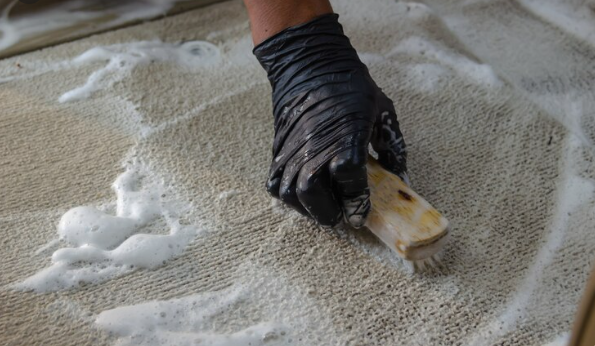
What Carpet Cleaning Professionals Look for During a Deep Cleaning Service in Bentonville, AR
Carpets are more than just home décor—they play a major role in indoor comfort, hygiene, and air quality. However, over time, carpets collect dust, allergens, pet dander, stains, and bacteria deep within their fibers. That’s where professional carpet deep cleaning becomes essential.
In Bentonville, AR, and nearby areas like Fayetteville, Rogers, Springdale, Cave Springs, Elm Springs, Siloam Springs, and Tontitown, carpet cleaning professionals follow a detailed inspection and cleaning process to ensure every carpet receives the right treatment.
In this guide, we’ll break down exactly what professionals look for during a deep cleaning service and why it matters for your home or business.
1. Carpet Fiber Type and Material Condition
One of the first things professionals examine is the carpet fiber type. Different materials require different cleaning methods.
They typically check for:
Nylon, polyester, wool, or blended fibers
Sensitivity to heat and moisture
Wear and tear on fibers
Color fading or dye instability
For example, wool carpets require gentle, low-moisture cleaning, while synthetic carpets can handle stronger extraction methods.
Understanding fiber type helps prevent damage and ensures the carpet maintains its original texture and appearance after cleaning.
2. Level of Dirt and Embedded Soil
Even if a carpet looks clean on the surface, professionals know that deep layers often hide dirt and debris.
During inspection, they look for:
High-traffic dirt zones (hallways, living rooms)
Embedded soil trapped deep in fibers
Dust accumulation under furniture
Grime buildup near entrances
This step is crucial because dry vacuuming alone cannot remove deeply embedded particles. Professionals use specialized equipment to extract soil that regular household cleaning misses.
3. Stain Identification and Treatment Planning
Not all stains are the same—and treating them incorrectly can make them worse.
Carpet cleaning experts identify:
Food and beverage stains
Pet urine and biological stains
Ink, oil, or grease marks
Old or set-in stains
Each stain type requires a different chemical solution and technique. For example, pet urine stains often require enzymatic treatments to break down odor-causing bacteria, while grease stains need solvent-based cleaning agents.
Proper identification ensures stains are removed effectively without damaging the carpet.
4. Odor Sources Hidden in the Carpet
Bad odors in carpets often come from deep contamination rather than surface dirt.
Professionals investigate:
Pet accidents trapped in padding
Mold or mildew growth from moisture
Spilled liquids that weren’t fully cleaned
Smoke or cooking odors absorbed into fibers
Odor treatment is a critical part of deep cleaning. Professionals may use deodorizing agents or antimicrobial treatments to neutralize smells at the source rather than just masking them.
5. Moisture Levels and Water Damage Risk
Moisture is one of the most important factors in carpet cleaning.
Experts check for:
Dampness from previous cleaning attempts
Hidden water damage under carpet layers
Risk of mold growth
Proper ventilation conditions
If excessive moisture is found, professionals adjust their cleaning method to avoid over-wetting the carpet. This helps prevent mold growth and structural damage to the flooring underneath.
6. Carpet Padding and Underlayer Condition
Many homeowners don’t realize that carpet padding plays a major role in cleanliness and comfort.
Professionals assess:
Padding contamination from spills or urine
Flattened or damaged underlayers
Odor trapped beneath the carpet surface
If the padding is heavily damaged, surface cleaning alone won’t solve the problem. In such cases, deeper treatment or partial replacement may be recommended.
7. Traffic Patterns and Wear Zones
High-traffic areas tell a story about how the carpet has been used.
Experts identify:
Walkway discoloration
Flattened fibers in frequently used areas
Dirt “pathways” in hallways or stairs
These areas often require pre-treatment and agitation before deep extraction cleaning. Without this step, carpets may look uneven after cleaning.
8. Presence of Allergens and Air Quality Concerns
Carpets can trap allergens that affect indoor air quality.
Professionals look for:
Dust mites
Pollen accumulation
Pet dander buildup
Fine dust particles
Deep cleaning helps remove these allergens, improving air quality and creating a healthier indoor environment—especially important for families with children or allergy-sensitive individuals.
9. Previous Cleaning Methods Used
Understanding how a carpet was previously cleaned helps professionals choose the right approach.
They check for:
Overuse of DIY cleaning chemicals
Residue buildup from soap or shampoo
Damage from incorrect steam cleaning
Discoloration caused by harsh products
Incorrect past cleaning can make deep cleaning more complex, requiring specialized restoration techniques.
10. Color Stability and Risk of Bleeding
Before applying any cleaning solution, professionals test carpet color stability.
They check:
Dye bleeding risk
Color fading potential
Reaction to cleaning agents
This step ensures that cleaning does not cause permanent discoloration or patchy results.
Our Professional Approach – Harber Carpet Cleaning
At Harber Carpet Cleaning, we believe deep cleaning is not just about making carpets look clean—it’s about restoring hygiene, comfort, and freshness to your home or business.
We proudly serve:
Fayetteville, AR
Bentonville, AR
Rogers, AR
Springdale, AR
Cave Springs, AR
Elm Springs, AR
Siloam Springs, AR
Tontitown, AR
Our trained carpet cleaning professionals follow a detailed inspection process before every job. This ensures we choose the safest and most effective cleaning method for your carpet type and condition.
We specialize in:
Deep steam carpet cleaning
Stain and odor removal
Pet damage treatment
High-traffic restoration
Allergen reduction cleaning
Whether it’s a residential home or commercial space, our goal is always the same: deliver long-lasting cleanliness with visible results.
Why Professional Deep Carpet Cleaning Matters
Regular vacuuming is important, but it only removes surface dirt. Professional deep cleaning goes much further by targeting hidden contaminants that affect health and carpet longevity.
Benefits include:
Longer carpet lifespan
Improved indoor air quality
Removal of stubborn stains
Elimination of odors at the source
Restored carpet appearance
In short, deep cleaning protects both your investment and your health.
FAQ – Carpet Deep Cleaning in Bentonville, AR
1. How often should carpets be professionally deep cleaned?
Most homes should have carpets deep cleaned every 6–12 months, depending on foot traffic, pets, and indoor conditions.
2. Can deep cleaning remove all stains?
While many stains can be fully removed, older or chemically set stains may only be partially improved. Early treatment gives the best results.
3. How long does carpet drying take after cleaning?
Drying typically takes 4–12 hours, depending on carpet thickness, humidity, and airflow in the room.
4. Is professional carpet cleaning safe for children and pets?
Yes. Professional cleaners use safe, tested solutions designed to be safe once the carpet is dry.
5. What is the difference between regular cleaning and deep cleaning?
Regular cleaning removes surface dirt, while deep cleaning removes embedded dirt, bacteria, allergens, and stains trapped deep within the carpet fibers.
Final Thoughts
Understanding what carpet cleaning professionals look for during a deep cleaning service helps homeowners make better decisions about carpet maintenance. From fiber type to hidden allergens, every detail matters in achieving a truly clean and healthy home environment.
At Harber Carpet Cleaning, we bring experience, care, and advanced cleaning techniques to every job across Bentonville, Fayetteville, Rogers, Springdale, and nearby Arkansas communities.
If your carpets need a fresh start, professional deep cleaning is the smartest step toward a cleaner, healthier space.
Contact Har-Ber Carpet Cleaning for Best Carpet Cleaning in Springdale, Fayetteville ar & Whole NWA
Company Name: Har-Ber Carpet Cleaning
Address: Founders Park Dr W, Springdale, AR 72762
Phone: +1 (479) 530–2895
Visit our website: Click here
Find Us On Map: View On Google Map
More Details: Click Now


Comments